
ERP in education has been discussed quite a few times, with each time getting into its benefits, features, and the efficiency it provides. But it is more about how ERP in education impacts the lives of people who are behind the change, i.e, teachers, principals, and parents. These are the hidden powers behind the success of the school that turn the ERP inputs into actionable into meaningful outcomes.
From the very start of improving learning outcomes to building a strong firm reputation of the school, every decision is backed by detailed insight, foresight, and planning. It serves as a strategic move that transforms data into informed decisions, tasks into effective strategies, and daily operations into sustainable long-term growth.
Table of Contents
ToggleHow ERP works
Most schools measure success by how efficiently they complete day-to-day tasks like marking attendance, issuing reports on time, managing fees, or scheduling classes. While these tasks are necessary, they are not strategic.
Strategy requires a deeper inspection of every task and making an informed decision based on that data. Top-performing schools, however, understand that excellence is built on decisions, not just on a checklist.
Why ERP is important?
Everything matters in running a school successfully, from the administrators asking insightful questions properly backed by data, to teachers getting time to analyze and teach better, and parents being partners in learning rather than mere observers. This is how the whole system works in harmony. This is when ERP systems step in to make better-informed decisions.
What is ERP in education?

ERP systems consolidate vast amounts of data, like attendance, grades, teacher performance, and resource utilization. These data are then strategically analyzed by the school system, which turns them into insights.
- Instead of administrators asking, “Who was absent today?” Administrators can know which students are consistently disengaged, and the cause behind it. It shows the intent behind not only marking the attendance, but also knowing the root cause of disengagement.
- Instead of asking “Which teachers are overloaded?” Administrators now know the different class sizes and then compare different teaching hours and student performance metrics to balance workloads and improve teaching effectiveness.
- Instead of asking: “Which students have pending fees?”, they can analyze payment patterns of the students over time and then plan scholarship options for them.
- Instead of asking “Which students are performing average?” they can identify learning gaps by combining attendance, grades, and delays in assignment completion data to provide personalized support.
Empowering Teachers
We all have witnessed what a teacher’s life is like in the traditional settings. They have to juggle multiple responsibilities, from taking attendance, preparing question papers, preparing results, and tracking homework. Thus, they have less time left to analyze student learning.
Personalized Learning
ERP in education provides insight into every student’s performance. Teachers are well aware of who is struggling with a specific topic or whether there are delays in homework completion.
- Teachers can tailor instruction to each student rather than using a one-size-fits-all approach.
- Data-Driven Intervention
- Detect repeated mistakes in specific subjects.
- Tracking progress after interventions to measure effectiveness.
Optimizing Teaching Method
- Which teaching methods work best for which group of students?
- How does engagement vary across different classroom activities?
- Which students are more interested in group exercises?
Teacher Collaboration and Peer Learning
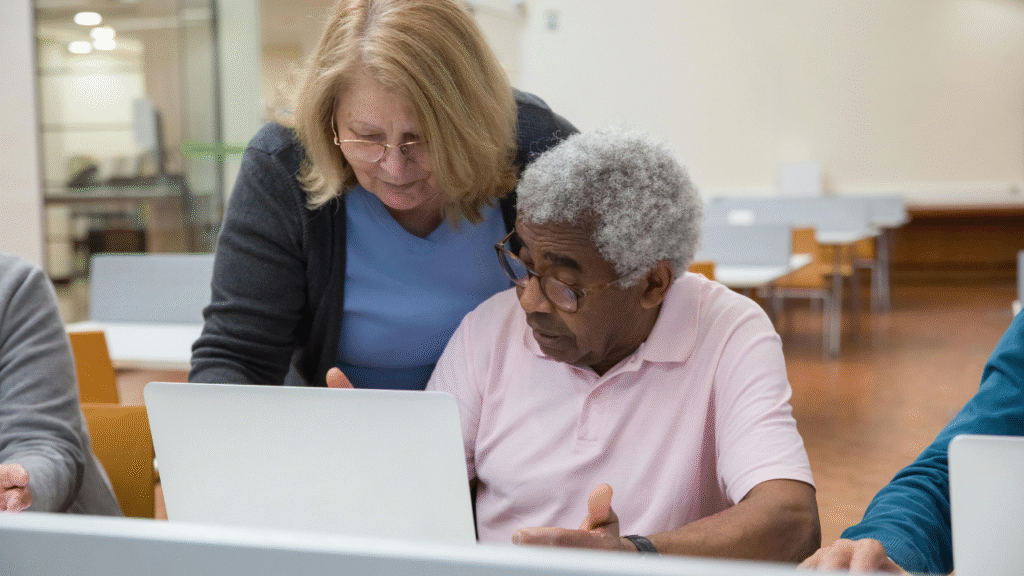
One of the best practices is to share the teaching techniques across departments that help teachers collaborate properly.
- Identify best practices from teachers who have high achievers and a properly engaged class.
- strategies for students who require extra support.
- Cross-subject projects or skill-building programs based on student data
Making room for Strategic Thinking
By automating administrative tasks like attendance, grades, and report generation, ERP frees teachers’ time to focus on:
- Planning strategic lessons.
- Mentoring students individually.
- Innovating classroom activities that drive deeper learning.
Are you ready to excel in your school? Get started with SmakTech ERP!
Parents as Strategic Partners, Not Just Observers

For a long time, parents have been off duty when they leave their child in the school premises. They get notified only when there’s a problem like low grades, fee delay, and attendance issues.
Top schools use ERP in education to shift this dynamic, treating parents as active partners in student growth,
Proactive Communication
- This type of communication strengthens trust and makes parents feel informed.
- Parents receive real-time alerts on attendance or low assignment submissions.
- Teachers can provide progress updates without waiting for parent meetings
- Notifications about upcoming events, fee deadlines, or academic milestones are automated.
Parent-Teacher Meetings
- Transparent sharing of data reduces surprises
- Instead of traditional parent-teacher meetings, ERP makes evidence-based decisions possible.
- Teachers use dashboards to highlight trends, strengths, and areas for improvement
- Parents receive clear, actionable guidance on supporting learning at home
Are you ready to excel in your school? Get started with SmakTech ERP!
This type of ripple effect makes a huge change in the school system if done properly and strategically. An initial step, like identifying learning gaps through ERP systems, can result in improved teaching that helps students perform better, which in turn encourages parent involvement. Thus, engaged parents support learning at home, which can boost overall school performance.