
Every teacher wants to see their students succeed, but sometimes, even with the best intentions and teaching methods, a few kids start falling behind. sudden silence in class, or just a gut feeling that something’s off. That’s why student improvement strategies are important. In today’s fast-moving classrooms, catching these early signs from teachers isn’t always easy. That’s why students’ improvement strategies are important.
Technology, particularly artificial intelligence in education, can help with that. AI tools can now assist teachers in determining when a student requires additional support and individualized instruction.
This blog will explain how to identify when a student needs to improve, what teachers can do to help them, and how AI strategies can help both teachers and students on this path to development.
Table of Contents
ToggleIdentifying the Indications of Lagged
Before you can help a student with an improvement strategy, it’s important to identify the warning signs. These could consist of
- Students’ declining test scores or grades
- Absence of involvement in class
- Having trouble concentrating or finishing tasks
- Modifications in behavior
- Inadequate attendance
While traditional observation is important, artificial intelligence in education brings a fresh perspective. Learning analytics driven by AI can monitor student progress over time and identify trends that may indicate a need for intervention.
Teachers' Role in Early Intervention
The teacher’s role is still important, even though technology can offer analysis and insightful information. The following actions can be taken if you think a student is falling behind:
1. Start a Conversation One-on-One
To learn about students having any academic or personal problems, have a private conversation with them. Confidence can occasionally be increased by simple encouragement.
2. Review students'' work
Review their work and go over their previous assignments and assessments to identify specific learning gaps. This aids in customizing your support strategy.
3. Work with Parents
Talk to the student’s parents about your findings. When it comes to fostering student development, a collaborative effort between the teachers and the students is frequently more successful. Communicate your concerns with the student’s parents. A joint effort from school and home is often more effective in supporting student growth.
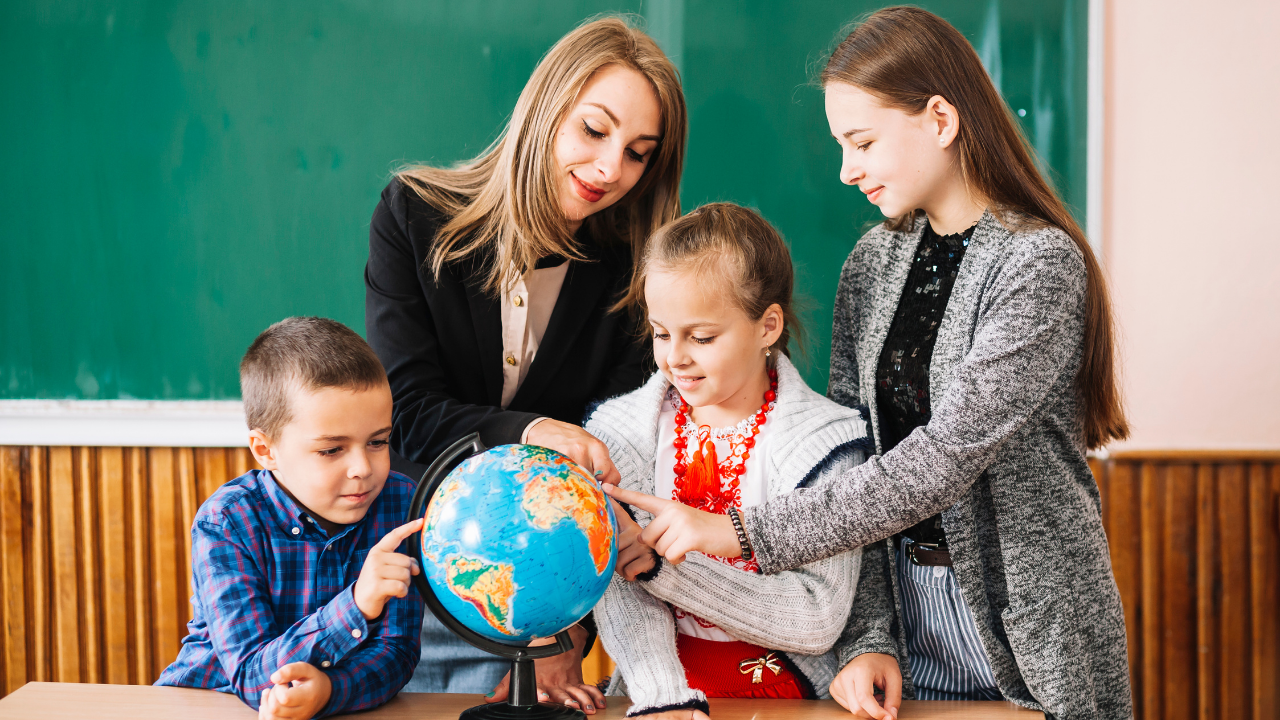
How AI in Education Is Transforming Student Improvement Strategy
The use of AI in education is one of the most exciting trends in contemporary classrooms for student improvement. It guides in identifying and assisting students who require improvement in the following ways:
1. Tailored Educational Routes
After evaluating a student’s strengths and weaknesses, AI can suggest remedial data or specialized learning materials. For example, depending on a student’s performance, an AI platform may recommend additional math problems or video lessons.
2. Analytics for Prediction
Artificial intelligence (AI) tools can forecast future results by evaluating past performance, warning teachers when students are at risk of falling behind—often before it becomes serious.
3. Instant Feedback
AI tools give teachers and students immediate feedback on their work, allowing them to correct mistakes or misunderstandings right away. It will be very helpful for student growth.
4. Decisions Based on Data
When planning interventions or curriculum changes, educators can make well-informed decisions, thanks to AI dashboards that visualize performance trends.
For instance, an AI-powered learning platform may notify a teacher when a student routinely performs poorly on algebra-based tests. After that, the instructor can set up peer tutoring or assign focused practice sessions.
Once we identified that a student needs improvement, here are some proven student improvement strategies to boost their academic performance:
1. Set SMART Goals
Help the students to set SMART goals, i.e., specific, measurable, achievable, relevant, and time-targeted. Break big targets into small ones.
2. Offer Additional Support
Provide extra classes, mentoring, or one-on-one sessions on difficult concepts or subjects in which that student is lagging. Sometimes additional support is more beneficial for weak students.
3. Use Interactive/Gamified Tools
Using regularly gamified quizzes, educational fun apps, interactive games, and visual learning aids can make learning more engaging and more interesting for struggling students. For example, Endless learning academy, Duolingo, Epic, and Math Tango
4. Monitor Progress Regularly
Use of AI-powered platforms or traditional methods like tests to track student progress over time. Regular checks help students stay motivated and encouraged.
5. Encourage Self-Reflection
Encourage students to assess their self-strengths and weaknesses. Journals, digital portfolios, simple discussions, or simple chitchat can promote self-awareness, self-confidence, and accountability. It will be more beneficial for students’ self-reflection.
Encourage Emotional and Social Growth
Students’ improvement strategy It’s not only about academic growth. Emotional and social growth are also equally important for student growth. Here’s how to help:
- Encourage group projects to build collaboration skills.
- Finding small improvements to boost morale.
- Offer safe spaces for students to express their challenges, conflicts, and emotions.
AI in education is also starting to help in this domain. For example, sentiment analysis in student writing or behavior-monitoring AI can identify signs of distress or disengagement.
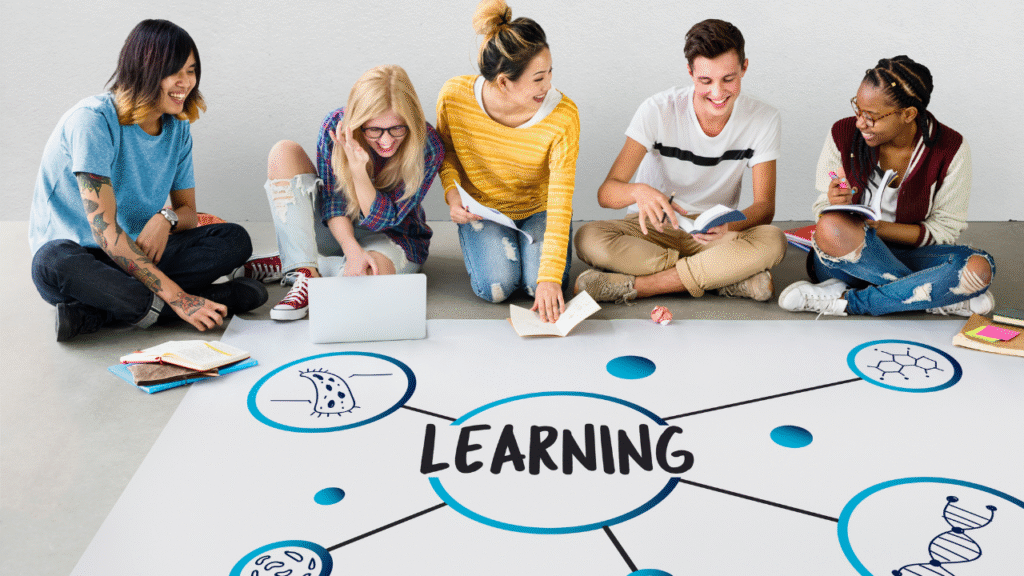
Using AI Responsibly in Education
While AI in education offers amazing potential, it’s important to use it ethically and responsibly for student improvement strategy:
- Ensure data privacy and parental consent when AI tools are used; most of the tools are made keeping high data security in mind.
- Combine AI insights with human judgment; relying solely on AI may not be safe if the algorithm malfunctions.
- It is important to provide equal access to AI tools for all students, which will avoid creating learning gaps.
Collaborating with Stakeholders
Improving a student’s performance is teamwork, and teachers, parents, and institutions are part of it.
Here are some tips on building a strong support network to help the students:
- Parents: Keep parents informed and involve them in students’ goal setting and their improvement, as parents also observe academic growth and behavior patterns at home.
- School Counselors: Collaborate with psychologists to address behavioral or emotional issues.
- Peers: Encourage peer tutoring and mentorship to others
- AI Tools: Let the data guide your personalized interventions
Celebrating Progress and Building a Confidence
Improvement is a journey, and every small win matters most, motivating the students. That’s why it’s important to celebrate:
- Improved grades or test scores
- Better classroom behavior
- Enhanced participation
- Increased self-confidence
Create certificates, leaderboards, or digital badges. AI-powered platforms can automatically assign these achievements, encouraging continued effort.
Conclusion
When a student needs improvement, the solution lies in early identification, tailored support, and continuous encouragement. Integrating AI in education enhances the teacher’s ability to detect challenges early, personalize interventions, and measure progress.
As education continues to evolve, combining technology with human compassion ensures that no student is left behind. By taking action and using the right tools at the right time, we can help students unlock their full potential and their ability and thrive in today’s smart learning environment.
Ready to support every student with AI-powered tools?
Visit Smaktech.com to discover smart ERP solutions for schools that help monitor performance, personalize learning, and drive student success!

I am a passionate digital marketer and EdTech enthusiast with 3 years of hands-on experience in the field. Apart from my expertise in the EdTech sector, my key skills include writing, market research and problem solving. I enjoy creating solution based informative content pieces that not only look good but deliver precise reader-intended information.
I have always had an interest in education and the EdTech industry because I believe digital tools can make learning easier and more fun. I love working on strategies that help educational platforms grow and reach more students. Helping people learn through digital channels gives me a sense of purpose.
In my free time, I like reading news, exploring new marketing trends, learning creative ideas for content, and sometimes even helping friends with their small business promotions. I’m always excited to work on new challenges and explore more opportunities in the education space through digital marketing.
Feel free to ping me on my work email, sonal@smaktech.com, to discuss my work at SmakTech or for any work-related queries!